
Adelle Telford
Crown Legacy Travel LLC
Roots, Rhythm & Royalty: The West African Experience
Jul 7, 2027 to Jul 20, 2027
Ghana, Nigeria & Senegal
|
🌍 GHANA • NIGERIA • SENEGAL 🌍 It’s time to experience West Africa beyond the passport stamp. 🇬🇭🇳🇬🇸🇳 Join us as we journey through Ghana, Nigeria, and Senegal—immersing ourselves in rich history, vibrant culture, unforgettable cuisine, beautiful landscapes, and the warmth of the people. From Ghana’s powerful history and coastal beauty, to Nigeria’s energy, culture, and modern sophistication, to Senegal’s colorful heritage and breathtaking Atlantic coastline—this journey is designed to explore, connect, learn, and create memories that last a lifetime. ✨ Come expecting more than a vacation. Ghana 🇬🇭 | Nigeria 🇳🇬 | Senegal 🇸🇳
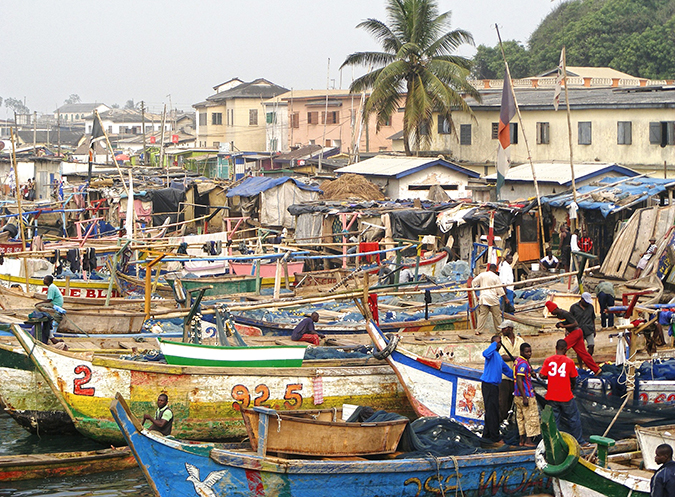  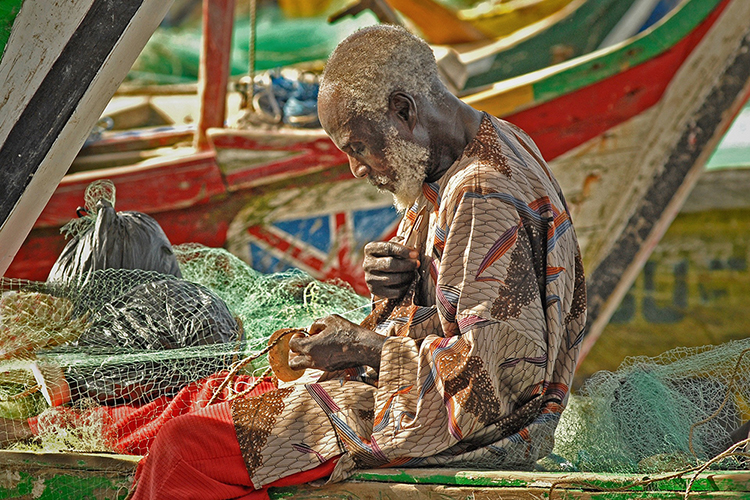 Welcome to Ghana! |
|||
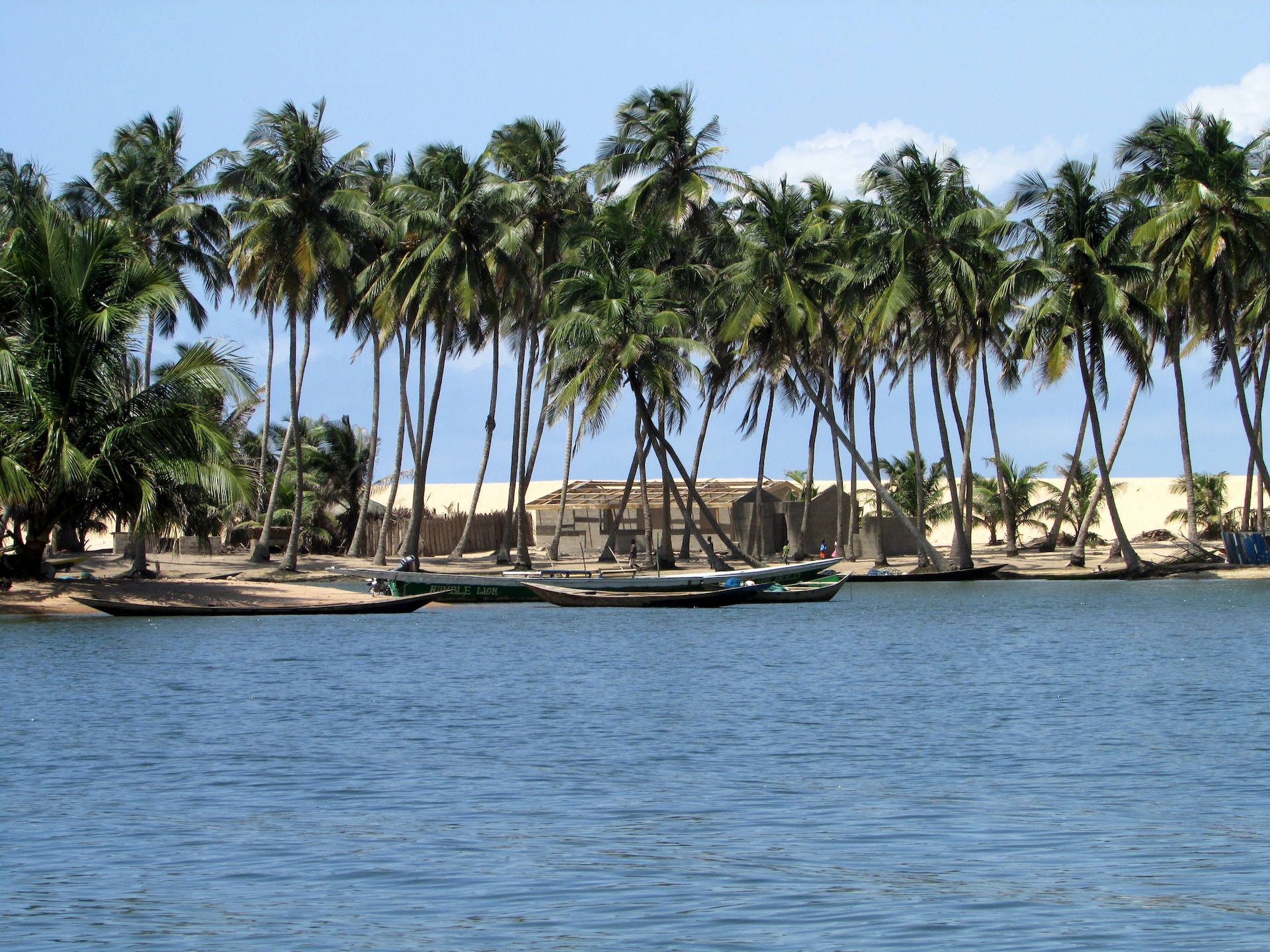 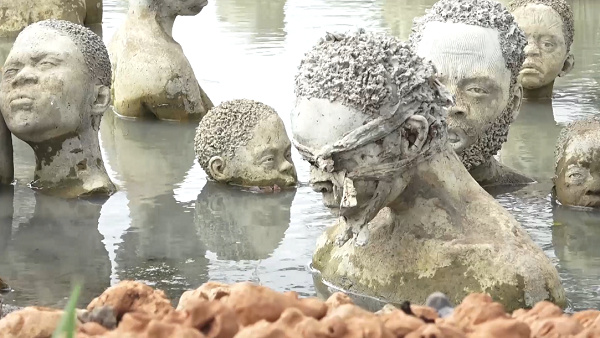 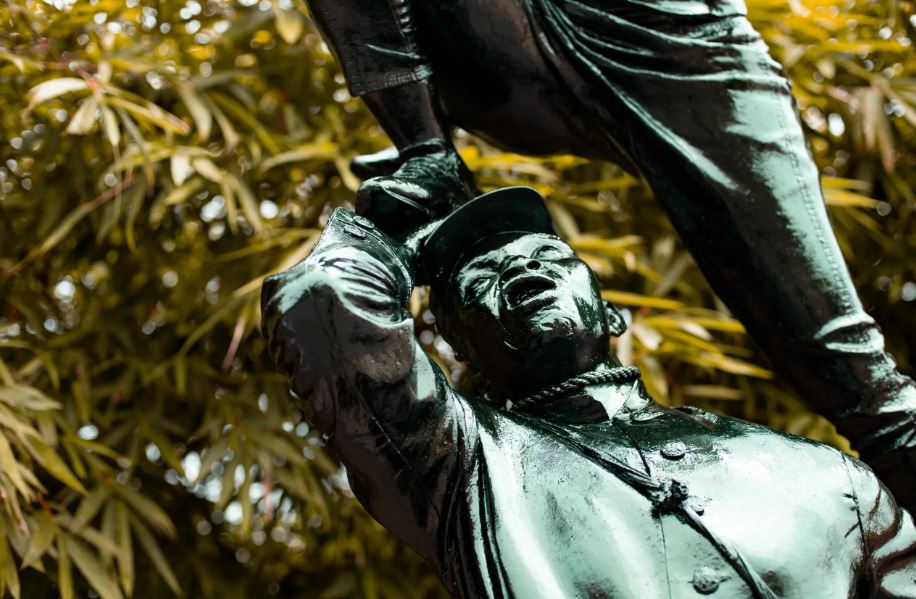 Following breakfast, depart to visit the Nkyinkyim Museum near Ada Foah, located on the estuary of the Volta River. ■ Ada Tour Make a detour to visit Ada Salt mines near Sege. This offers you the opportunity to see salt mining and interact with the local folks. Continue to Nkyinkyim Museum. Arrive and tour the Sculpture Museum and interact with the staff. Nkyinkyim translated in English to mean “twisted” and relates to a proverb that says, “Life’s journey is twisted.” The project is a means of commemorating the millions of people from Africa who were kidnapped, imprisoned and coerced into slavery. The site of the installation was a stopping-point on the slave trade route in the 16th and 17th centuries, first for the Dutch and then by the British traders. The majority of the slaves transported to Virginia. Among the Akan people of West Africa, funeral tradition dating back to at least the 17th century, Sculptors, often women create clay busts which are displayed in cemeteries in order to preserve the memory and the likeness of the dead. Ghanaian artist Kwame Akoto-Bamfo draws on this mode for this ongoing installations, Nkyinkyim which is comprised of more than 1,300 cement effigies embedded in a field in Nuhalenya Ada, a town outside Accra. Whereas traditional faces usually wear a calm expression, Mr. Akoto-Bamfo’s heads show fear, sadness, disgust or surprise. The sculptures depict young and old, male and female, as well as members of different tribes. Overnight: Accra City Hotel |
|||
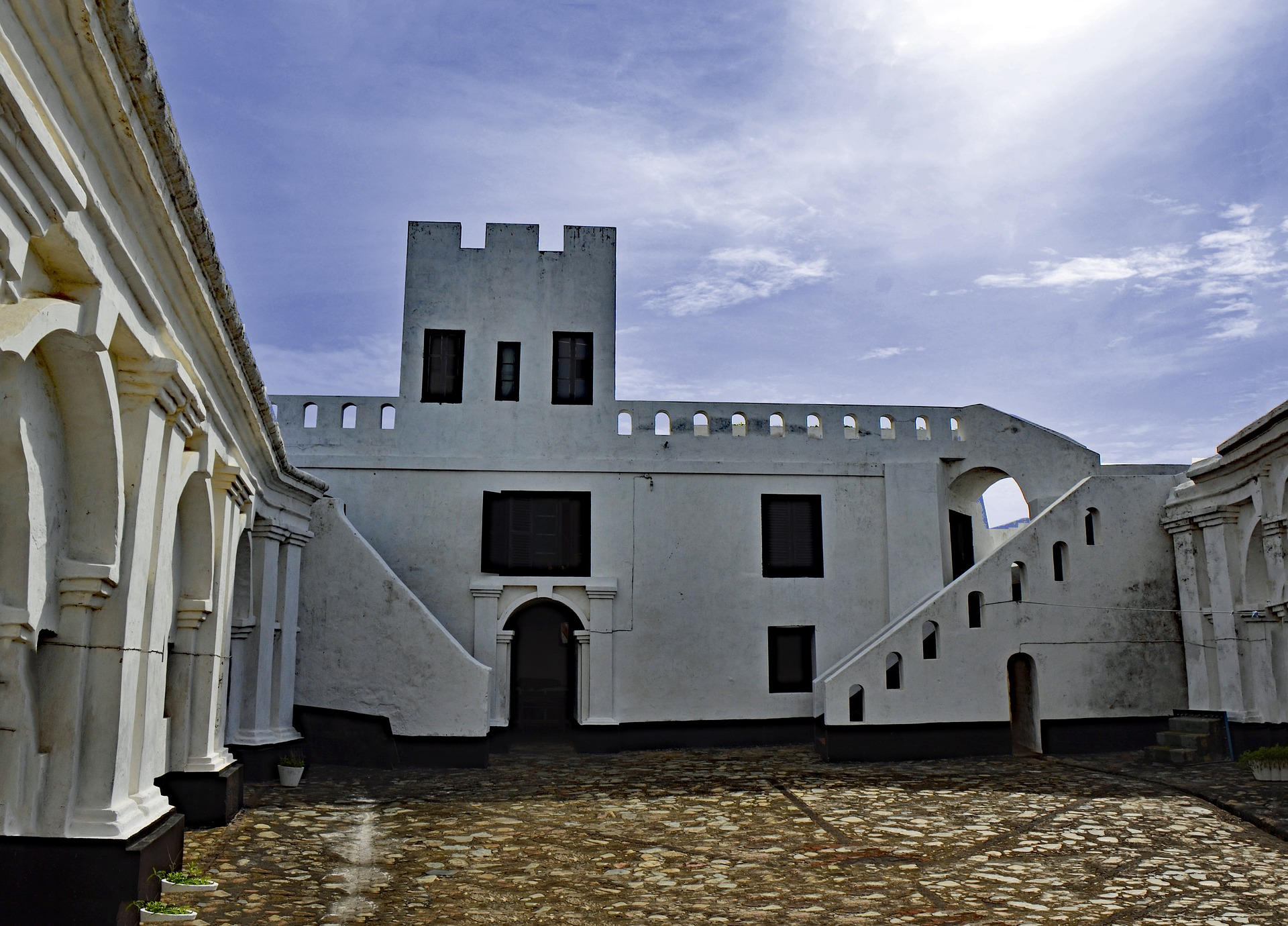
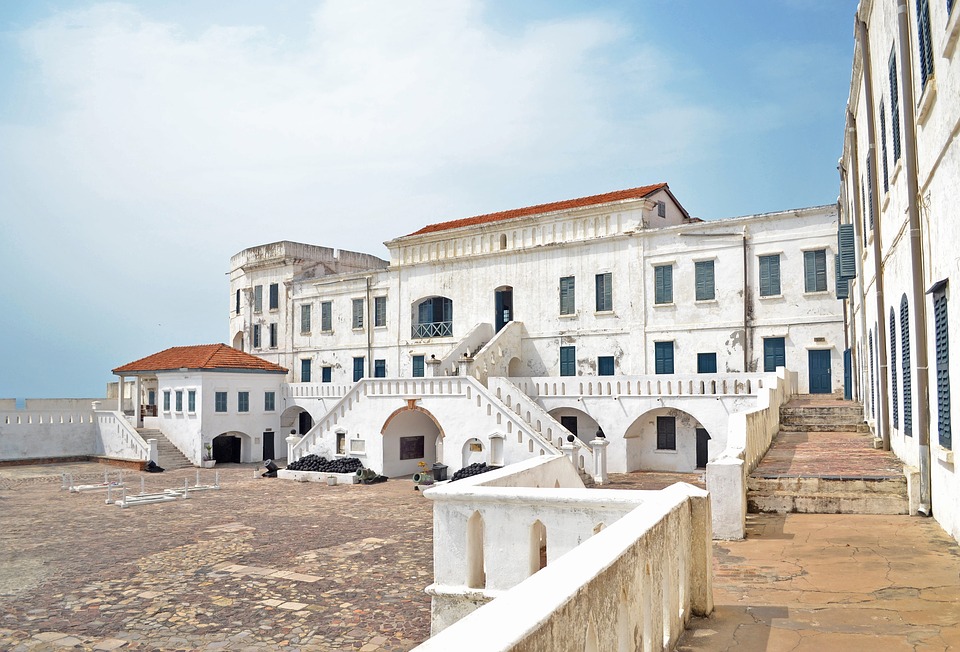 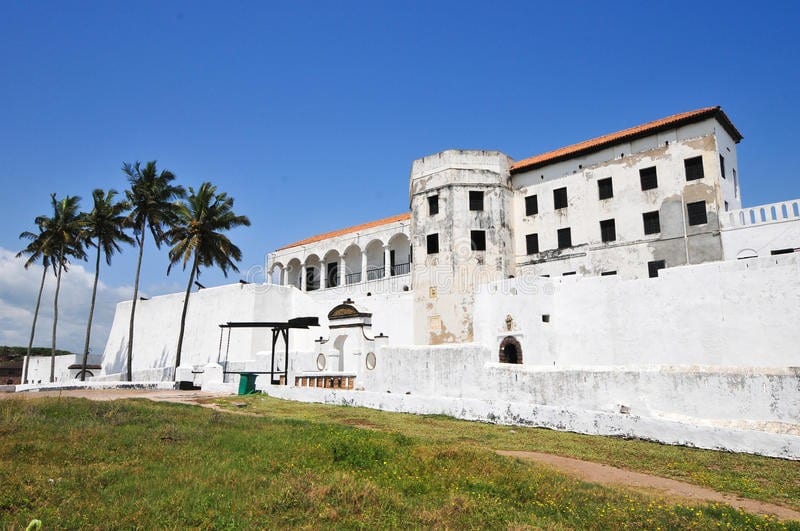 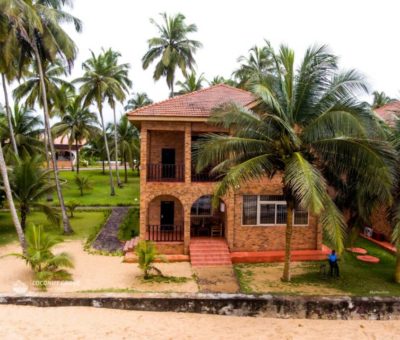 Following breakfast, depart for the Central Region, driving along the coast past several fishing villages and coconut-lined beaches. Upon arrival in Cape Coast, proceed to visit Cape Coast Castle. ■ Cape Coast Castle Originally started by the Swedes in 1652. It served as the headquarters and seat of the British colonial government until 1877. Go on a comprehensive tour of the Castle, the slave dungeons where enslaved Africans were incarcerated, the West African Heritage Museum (currently closed for refurbishment), and the negotiation hall where our ancestors were bargained for and sold. Learn about the powerfully symbolic Door of No Return, the last exit point for slaves being transported to the Americas This UNESCO World Heritage Monument has been visited by several world personalities including US President Barack and Michelle Obama, Steve Harvey, Boris Kodjoe, Danny Glover, etc. ■ Elmina Castle The Elmina Castle another UNESCO World Heritage Monument the oldest and largest European structure built in sub Saharan Africa. This was built by the Portuguese in1482 and later used as an auction market for enslaved Africans for a comprehensive guided tour. See the slave dungeons and condemned cells where slaves who resisted were incarcerated and starved to death. ■ Coconut Grove Beach Hotel Coconut Grove Beach Resort is a distinguished landmark in Elmina, a town known for its historic UNESCO World Heritage sites Elmina Castle and Fort St. Jago. The resort has welcomed notable guests including the Crown Prince of the Netherlands, the UN Secretary-General, actor Will Smith, government ministers, and diplomats from across the region. Renowned for its warm Ghanaian hospitality and attentive service, the resort offers a perfect blend of relaxation and comfort. Whether you seek a coastal retreat or a city escape, Coconut Grove Hotels in Ghana provide an exceptional vacation experience for every traveler. |
|||
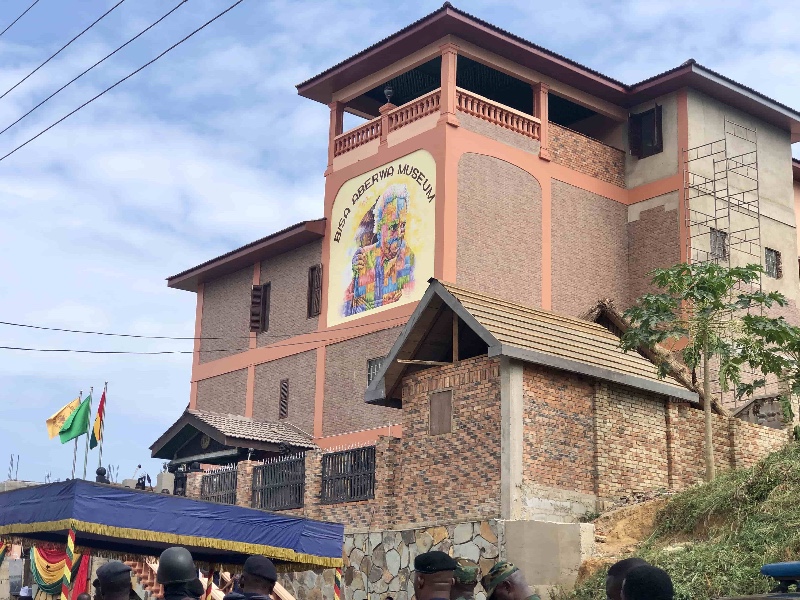 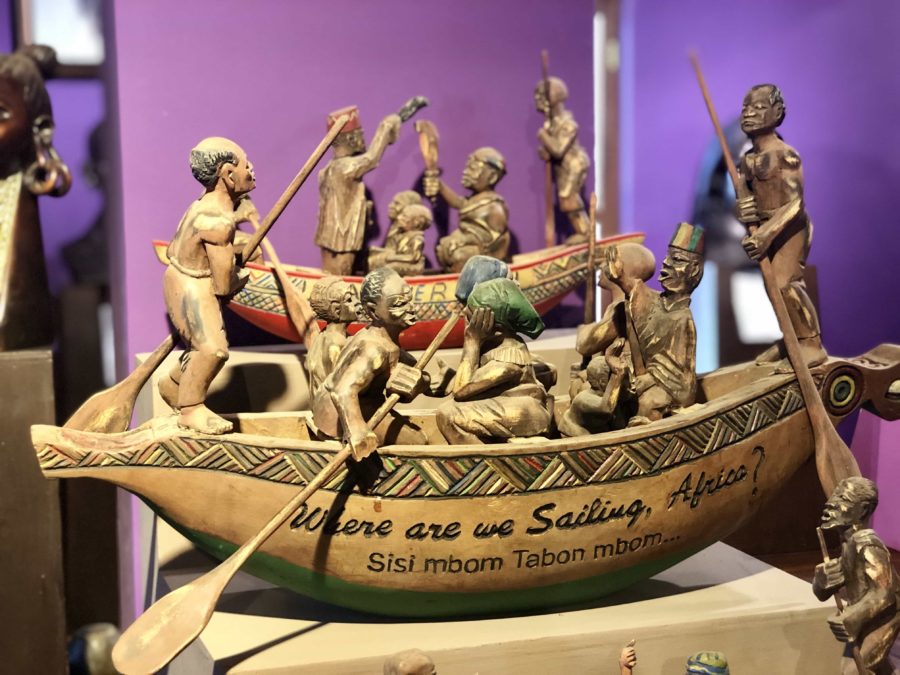 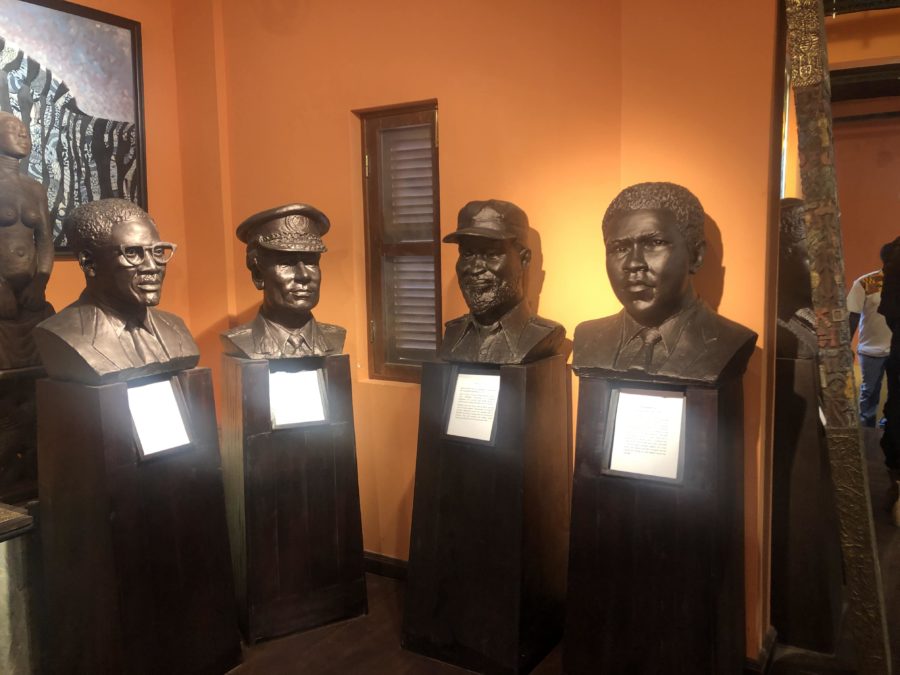 Following breakfast, depart to visit the Bisa Aberwa Museum, located at Nkotompo near Effia-Nkwanta Hospital in Sekondi, in the Western Region. The museum is the brainchild of Kwaw Paintsil Ansah. ■ Bisa Aberwa Museum One of Africa's most respected filmmakers which exists among other objectives, to provide an opportunity for the preservation and promotion of the Africa heritage; provide an institution for research into African history and “provide a platform for the conversation among people of African descent. On display at Bisa Aberwa is how the African humanity has survived. You will listen to the African story.” The specimens on display are about personalities whose sacrifices have shaped African history, both within the continent and the diaspora. They capture events within the slave dungeons in Africa, the toils of the Africans on the slave plantations and highlights of the Civil Rights Movement culminating in the election of the first African American as president of the United States of America. Overnight: Coconut Grove Beach Hotel |
|||
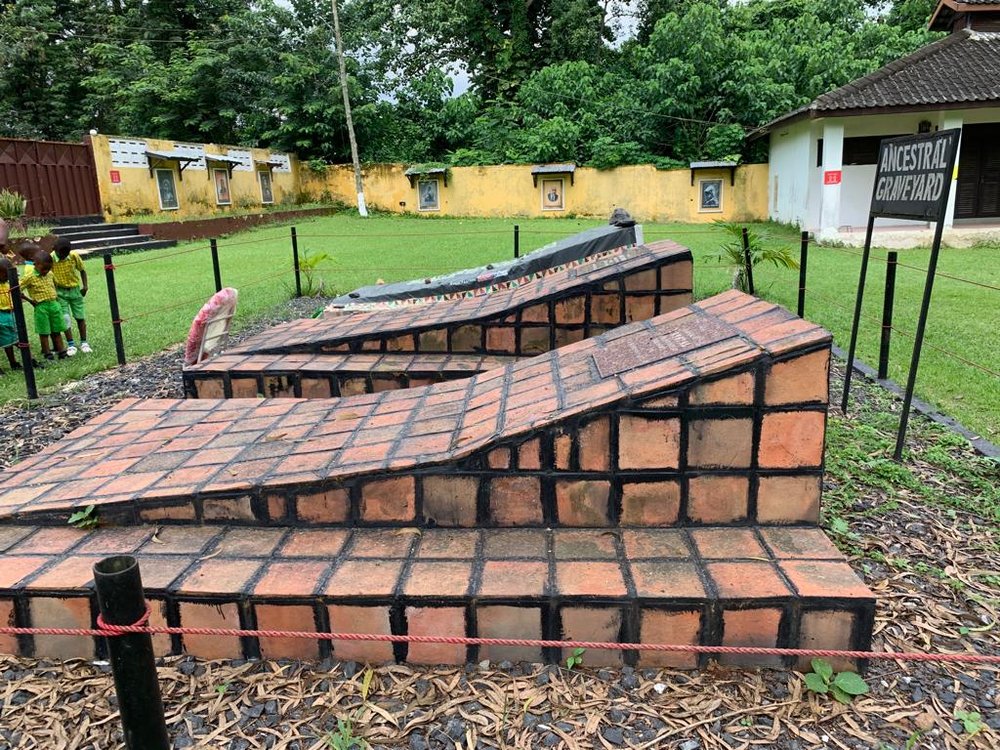 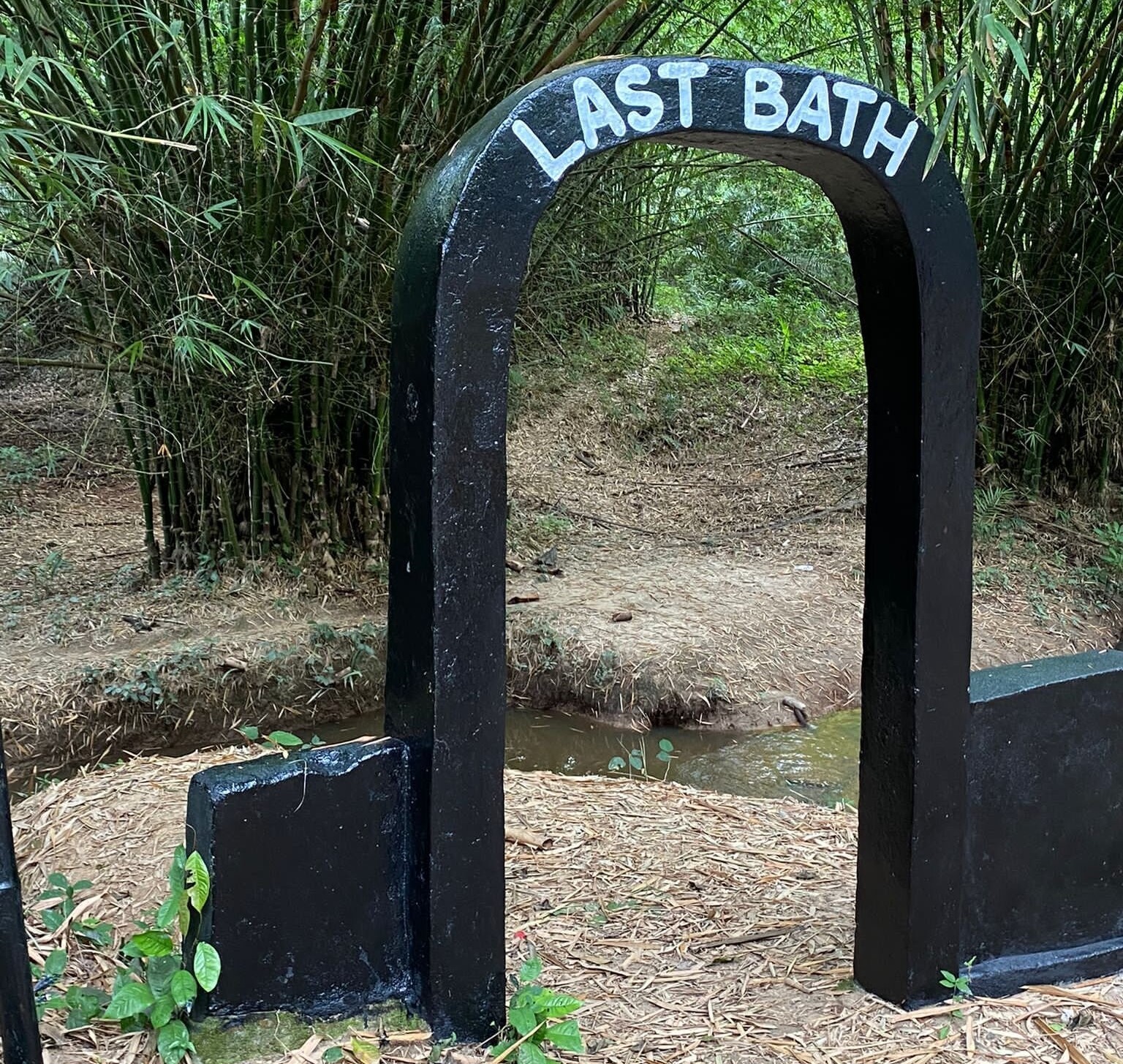 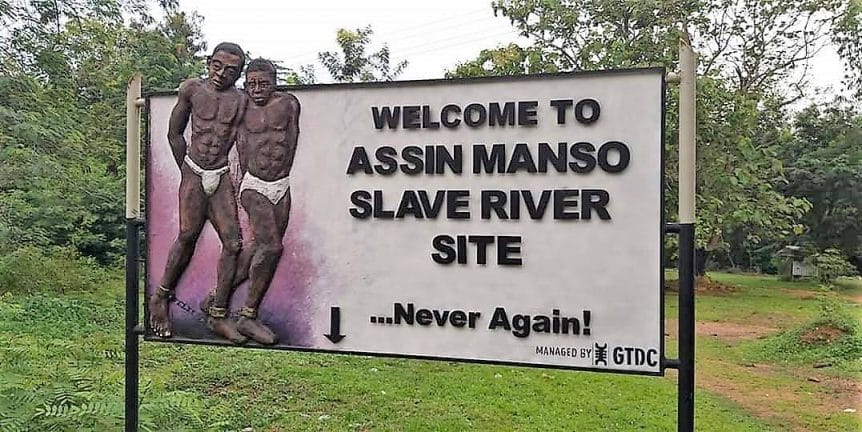 Following breakfast, Depart to Accra with a stop at Assin Manso to visit the burial site of the remains of two ancestors exhumed from New York’s Wall Street & Kingston Jamaica and re-interred on the Emancipation Day 1998. A third ancestor was also brought and interred by the Prime Minister of Barbados in November 2019 as part of the “YEAR OF RETURN” GHANA 2019. Visit the DONKO NSUO (the Slave River) where the African captives were allowed to take their last bath in waters of their native land. The European merchants branded their bodies for identification before they were marched to the Dungeons in Elmina and Cape Coast. This offers you opportunity to send a message to your ancestors in a bone fire. ■ Assin Manso Assin Manso serves as the final resting place for the remains of two formerly enslaved Africans, repatriated from Wall Street in New York and Kingston, Jamaica, and re-interred on Emancipation Day in 1998. A visit includes the poignant “Enslaved African River,” where captives took their last bath before the harrowing journey to the coast for shipment into slavery. ■ Donkor Nsuo The Slave River, where the African captives were allowed to take their last bath in the waters of their native land. The European merchants branded their bodies for identification before they were marched to the Dungeons in Elmina and Cape Coast. This offers you the opportunity to send a message to your- ancestors. Overnight: Accra City Hotel |
|||
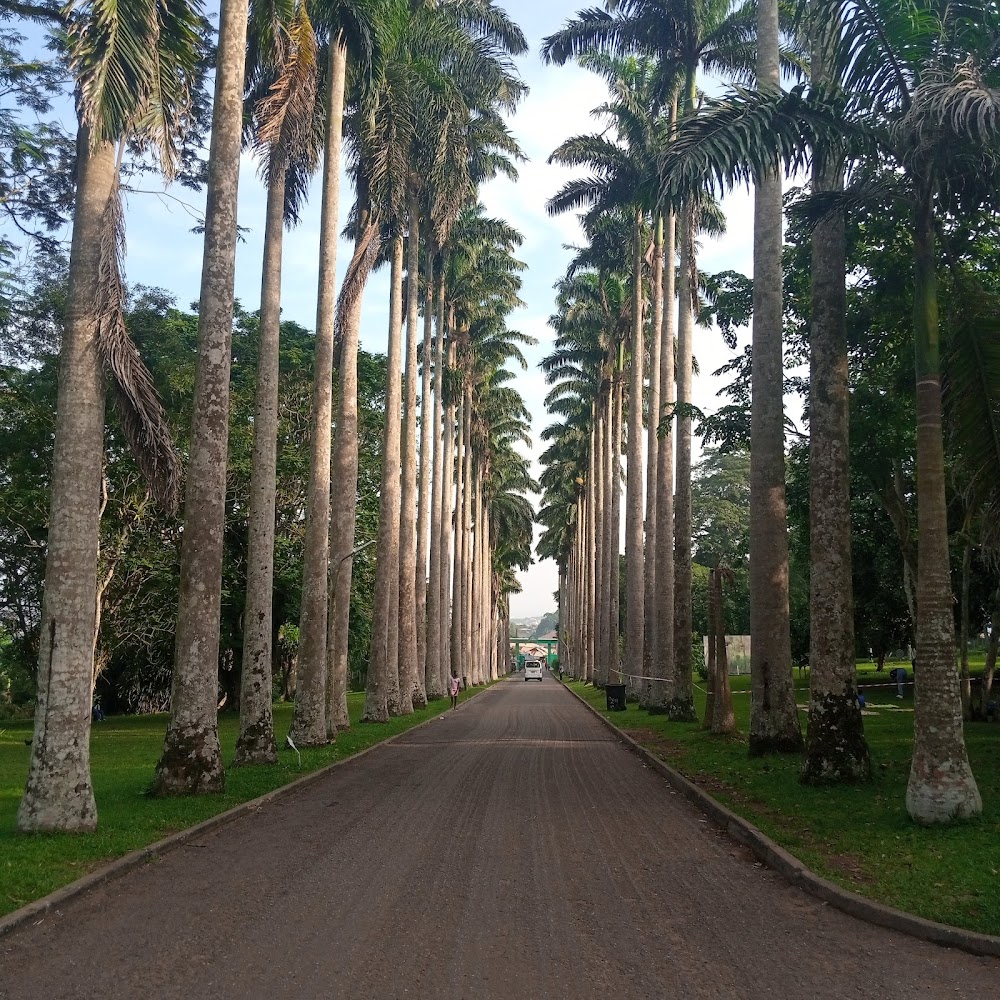 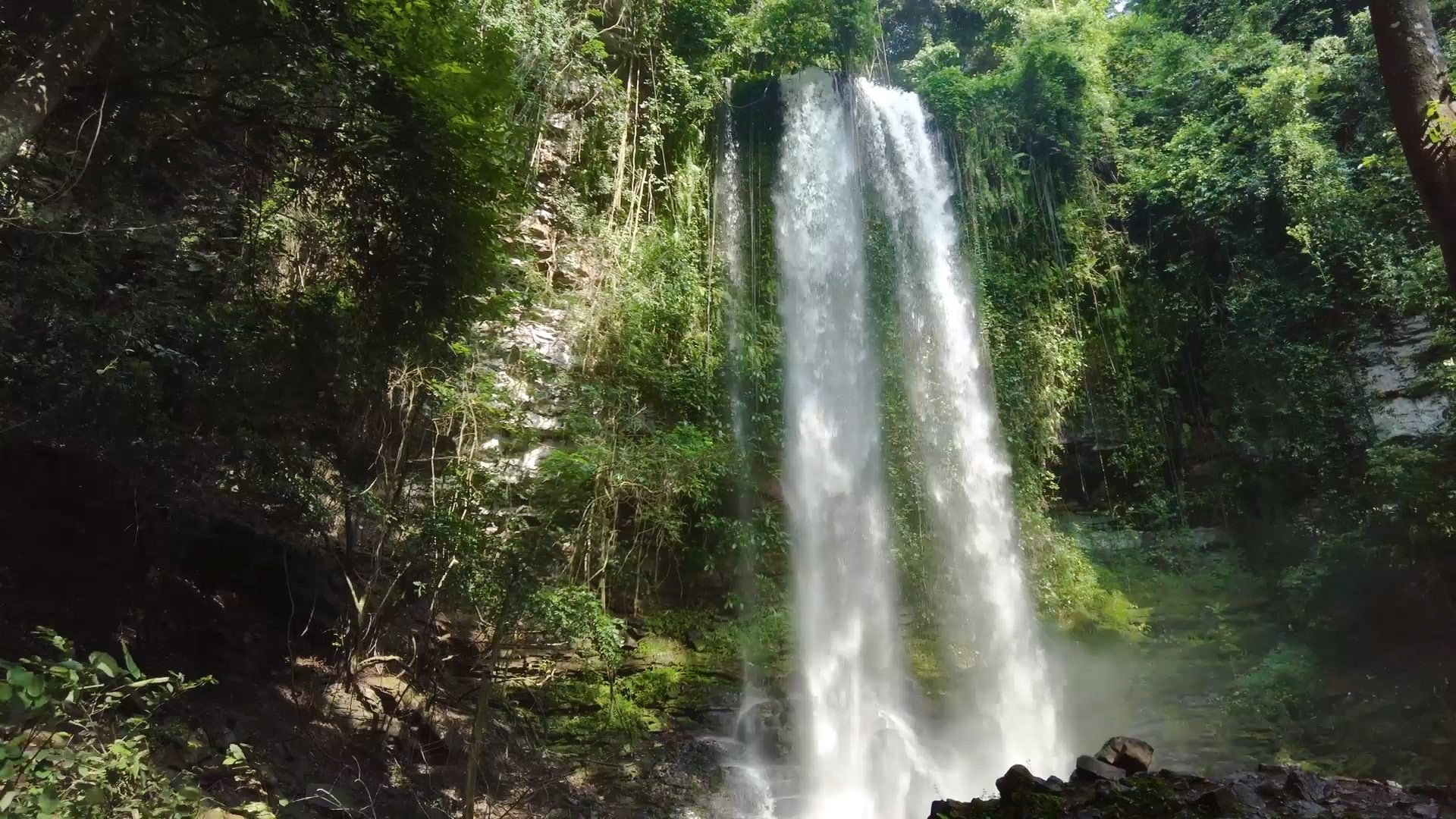 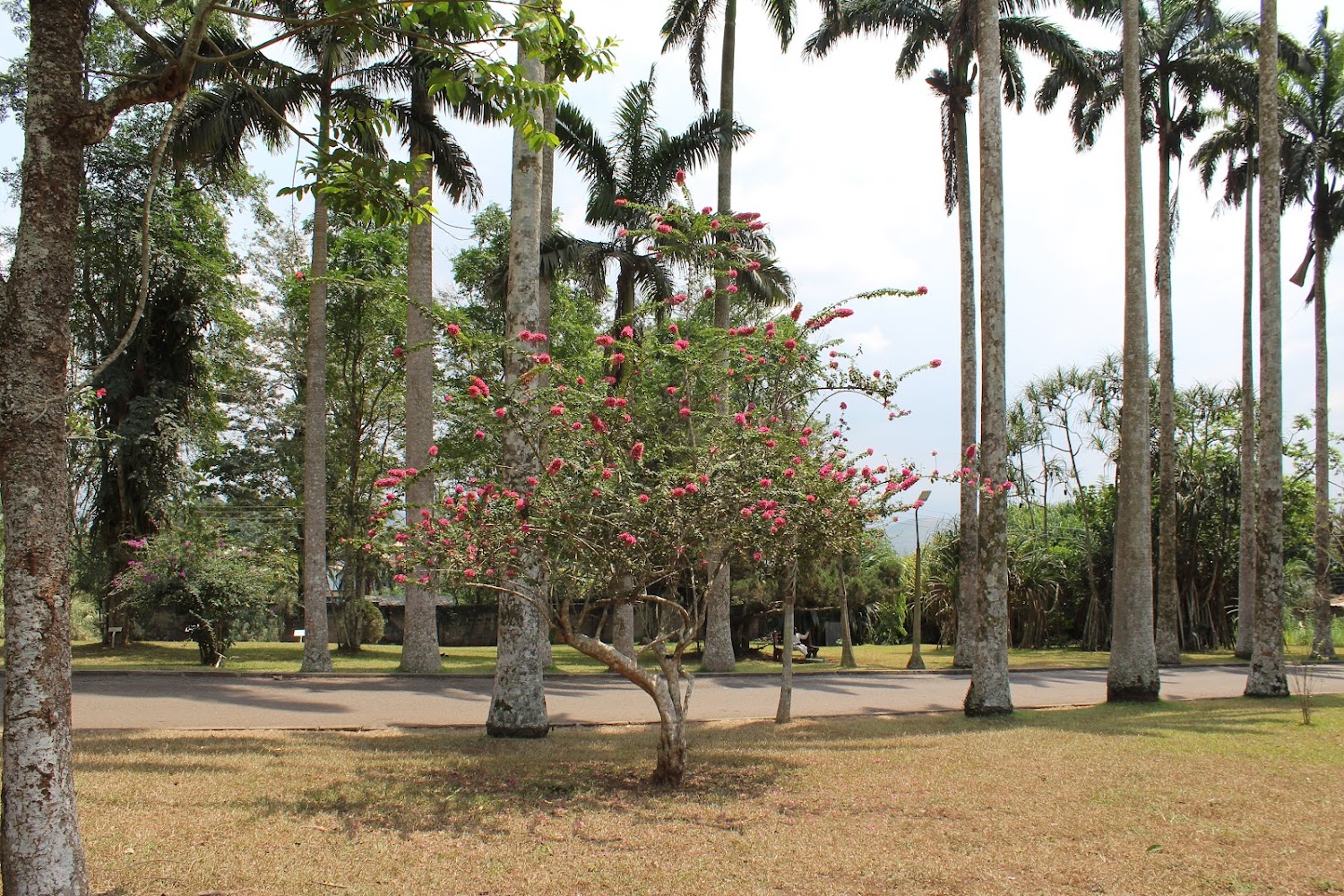 Following breakfast, depart to Aburi Botanical Gardens in the Eastern Region. Drive atop the meandering Akwuapim Ridge overlooking the plains of Accra and Tema Metropolises. Stop at a vantage point to photographs and taste fresh Palm Wine. ■ Aburi Botanical Gardens The Aburi Botanical Gardens was established in 1890 as a convalescent for the British Colonial Officers governing the then Gold Coast now Ghana and relax under the shade of huge trees, some of which has are over 100 years old. The Aburi Botanical Gardens were designed for scientific research and pleasure. It is a habitat for plants from all over the world. Over the years the Garden has cultured a variety of tropical plants which attract many birds and butterflies. Go on a conducted tour of its many herbs and well- manicured lawns ■ Asenema Waterfall Asenema Waterfall is one of the hidden gems in the rainforest of the Akuapem Hills, outside of Accra, and north of Aburi. Asenema is just 15 minutes from Akropong and just a 5-minute walk from the main road along a marked trail. Asenema waterfall feeds a lively little stream nearby. The falls usually have a very good flow in the rainy season. The drive to get to the falls is wonderfully scenic, with beautiful views across the rolling hills that are so typical of the region. Overnight: Accra City Hotel |
|||
  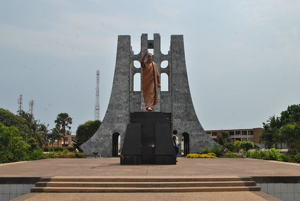 Following breakfast, set off on a full-day city tour of Accra, which will offer practical lessons in Pan Africanism and the African Struggle. ■ Accra Full Day City Tour Your first visit is the W.E.B. Du Bois Centre for Pan Africanism; this is the final burial place and home of the prominent American Pan Africanist Dr. W.E.B. Du Bois, who led the Pan-African congress between 1919 and 1927. It is currently a Pan African Center for culture and it also has a research library and gallery full of manuscripts. Overnight: Accra City Hotel |
|||
   Flights:
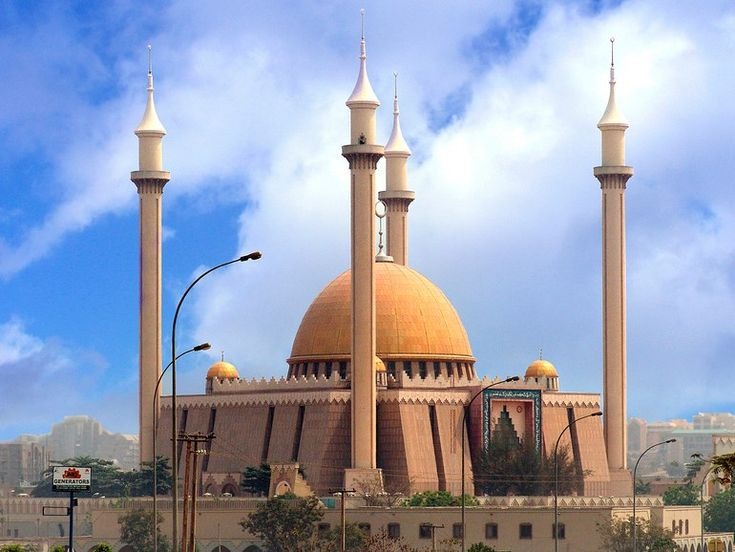
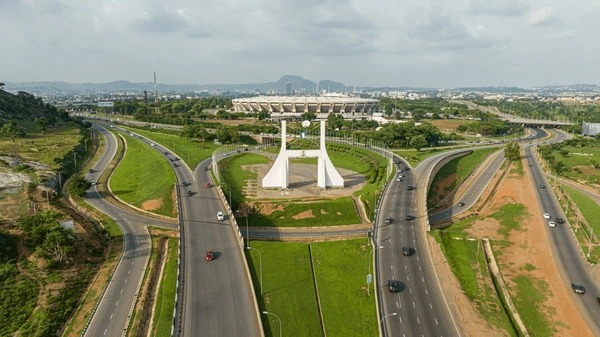
Following breakfast, meet your driver at the hotel lobby and transfer to the airport for your flight to Abuja, Nigeria via Togo. ■ Ushafa Pottery Village Ushafa Pottery Village, also known as Bill Clinton Village, is a historic pottery-making community located near Abuja, Nigeria. It is famous for its traditional hand-crafted pottery made primarily by women using age-old techniques passed down through generations. The village is a popular cultural attraction, showcasing Nigeria’s rich artistic heritage and offering visitors insight into indigenous craftsmanship and local traditions. ■ National Mosque The National Mosque of Nigeria, located in Abuja, is one of the country’s most important Islamic landmarks. Built in 1984, it features a striking golden dome and tall minarets that symbolize Nigeria’s Islamic heritage. The mosque serves as a central place of worship and a cultural symbol of unity, welcoming both worshippers and visitors outside of prayer times. ■ BON Hotel Elvis Set along a tree-lined street, this informal hotel is 1.2 miles from Nnamdi Azikiwe Expressway and 3.1 miles from the Abuja National Mosque. Millennium Park is 5.6 miles away. The understated rooms and suites feature minifridges, as well as tea and coffee-making facilities. Some accommodations also include sitting areas. Room service is available 24/7. Amenities include a garden, an outdoor pool, and a fitness center, along with a cocktail bar, a restaurant, and a poolside snack bar. The hotel also offers a business center and meeting facilities, and Wi-Fi is available throughout the property. |
||||||||||||||||||||||||
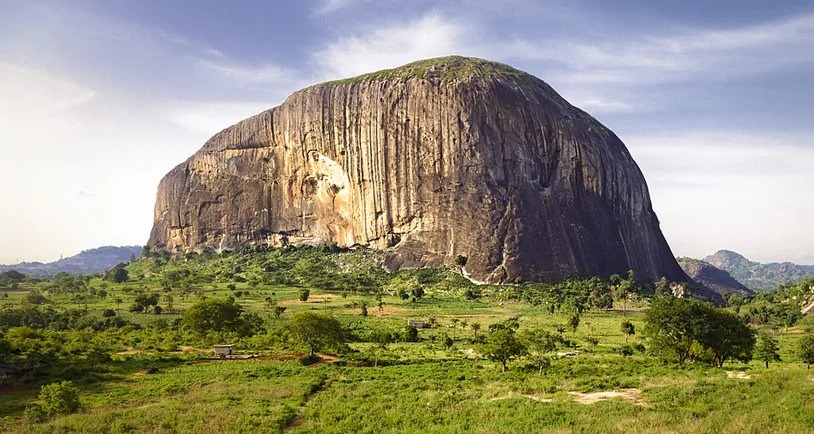 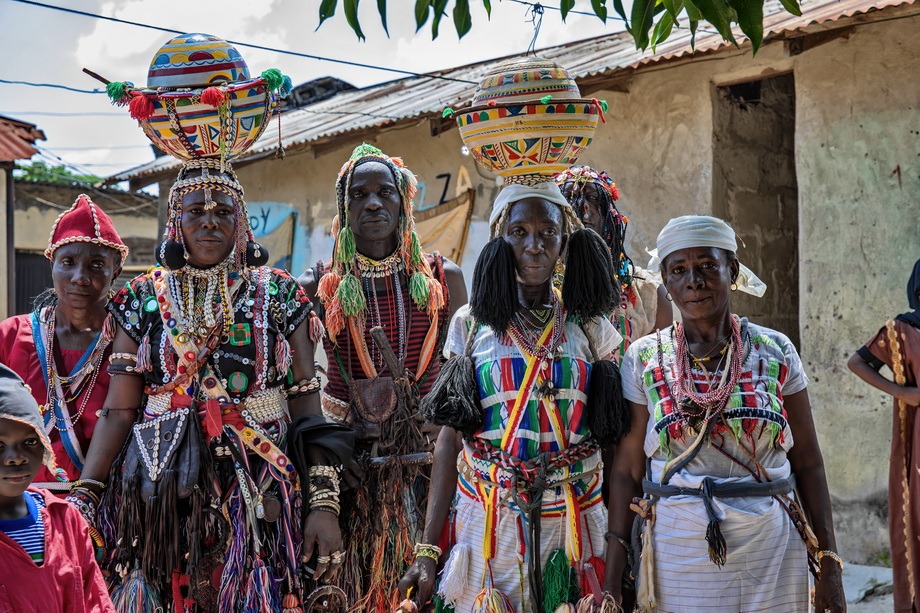 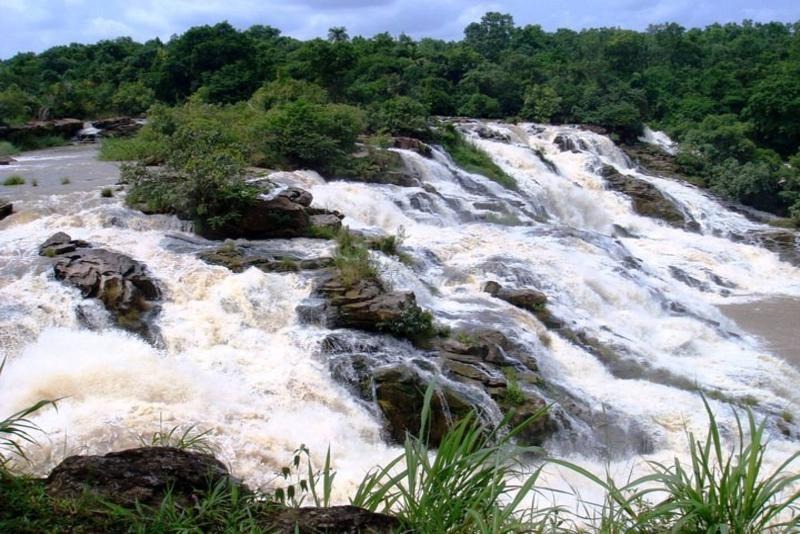 Today, embark on a tour of Gurara Village, located along the Suleja-Minna Road. ■ Gurara Village Drive to Gurara village, a 62.13 miles drive from Abuja city along the Suleja-Minna road. On your way to Gurara, you will have a brief stop over at Zuma Rock, 34.17 miles north of Abuja near the town of Suleja. It is a paler version of Australia’s Ayers Rock, and it is believed to have the shape of a human face standing beside the road. The Zuma Rock is 300m high and a mile long, with sheer cliffs on all sides. The Zuma rock area is geographically referred to as the centre of Nigeria. Overnight: BON Hotel Elvis-Standard Room |
|||
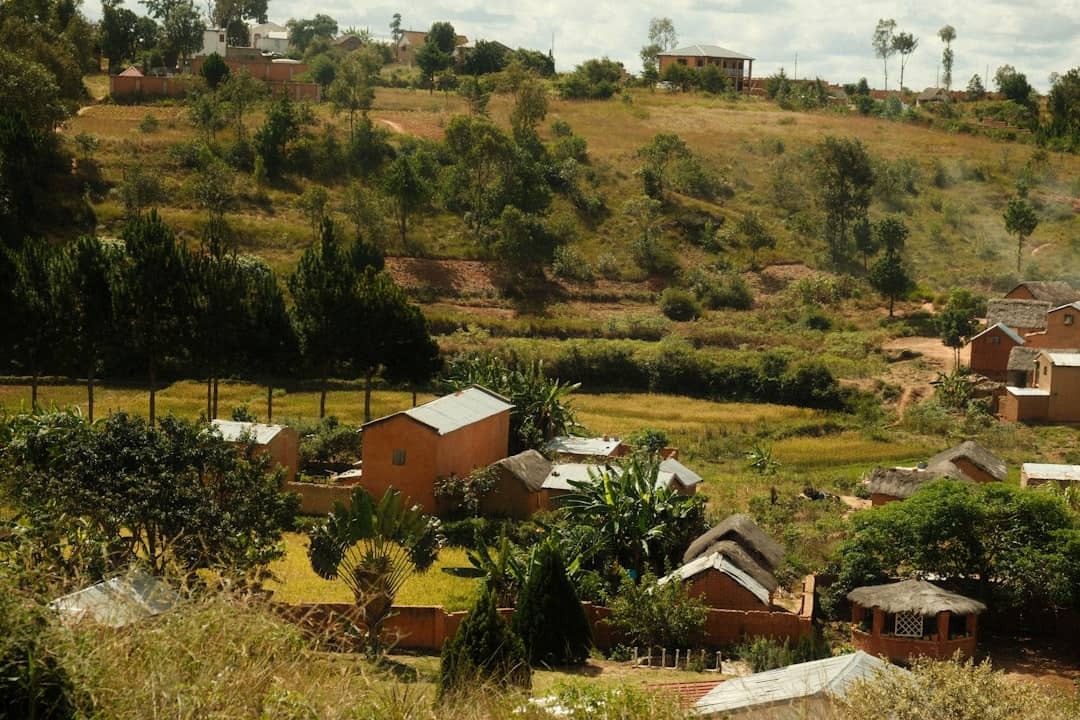 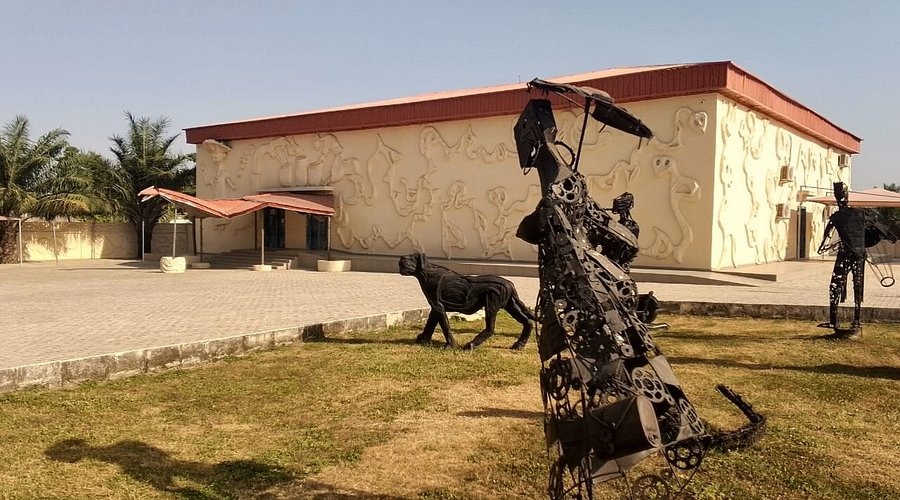 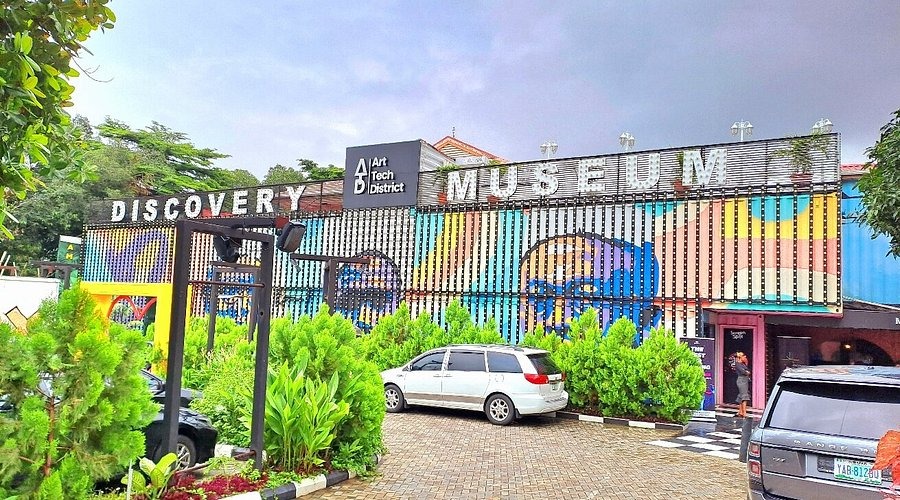 Today, you will start the day with a visit to a Fulani village and interact with the village head (chief). From the Fulani village, you will visit the Arts & Crafts village for souvenir shopping. From the arts market, you will visit the Nike Art Gallery before proceeding to the Discovery Museum, a modern tech-enabled display of Nigeria’s culture, history, and evolution as a nation, before proceeding for lunch ■ Fulani Village A Fulani village in Abuja represents the traditional lifestyle of the Fulani people, one of Nigeria’s major ethnic groups known for cattle herding. These villages are characterized by simple settlements, grazing fields, and a strong connection to livestock and nature. Visitors can learn about Fulani culture, customs, and daily life, including their pastoral traditions and distinctive way of living. ■ Nike Art Gallery Nike Art Gallery in Abuja is a vibrant cultural center showcasing a wide range of Nigerian and African art. The gallery features paintings, sculptures, textiles, and traditional crafts, celebrating the country’s rich artistic heritage. It is a popular destination for art lovers and tourists looking to experience Nigeria’s creativity and culture firsthand. ■ Discovery Museum Abuja The Discovery Museum in Abuja is an interactive museum dedicated to science, technology, and cultural education. It offers hands-on exhibits and displays that engage visitors of all ages, making learning about Nigeria’s history, innovation, and natural environment both fun and informative. The museum is a popular destination for students, families, and tourists. Overnight: BON Hotel Elvis-Standard Room |
|||
  .jpg) Flights:
Today, meet your driver at the hotel lobby and transfer to the Abuja international airport for your flight to Dakar, Senegal via Togo. ■ Boma Lifestyle Hotel Hotel Boma Dakar is a stylish boutique lifestyle hotel in Dakar that offers guests a unique urban oasis experience with bold architecture and individual bungalows set in a lush garden. It combines modern living with lively gastronomy, a restaurant, bar, lounge, and well-being amenities, creating a vibrant yet relaxing atmosphere in the heart of the city’s “urban jungle. |
||||||||||||||||||||||||
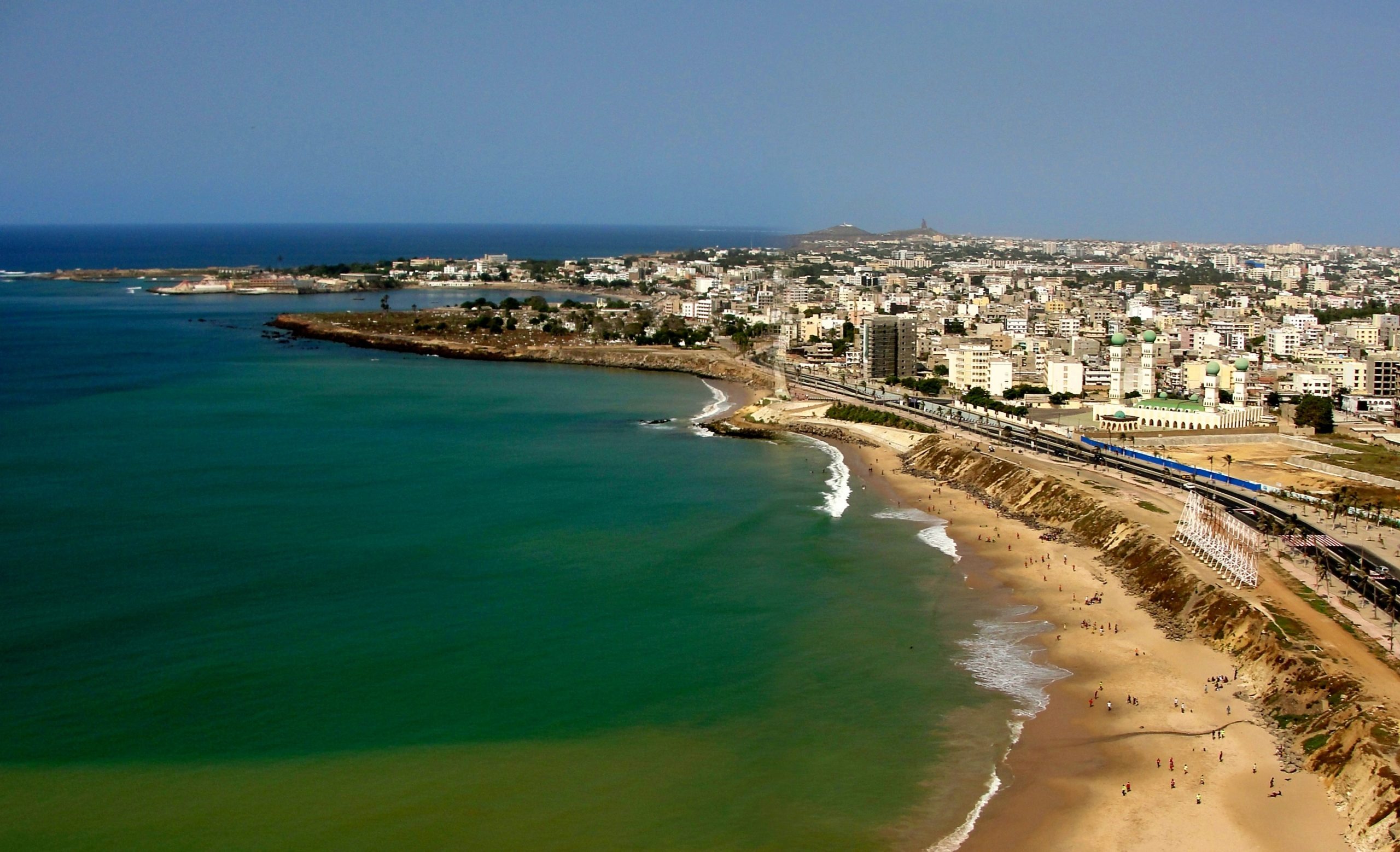
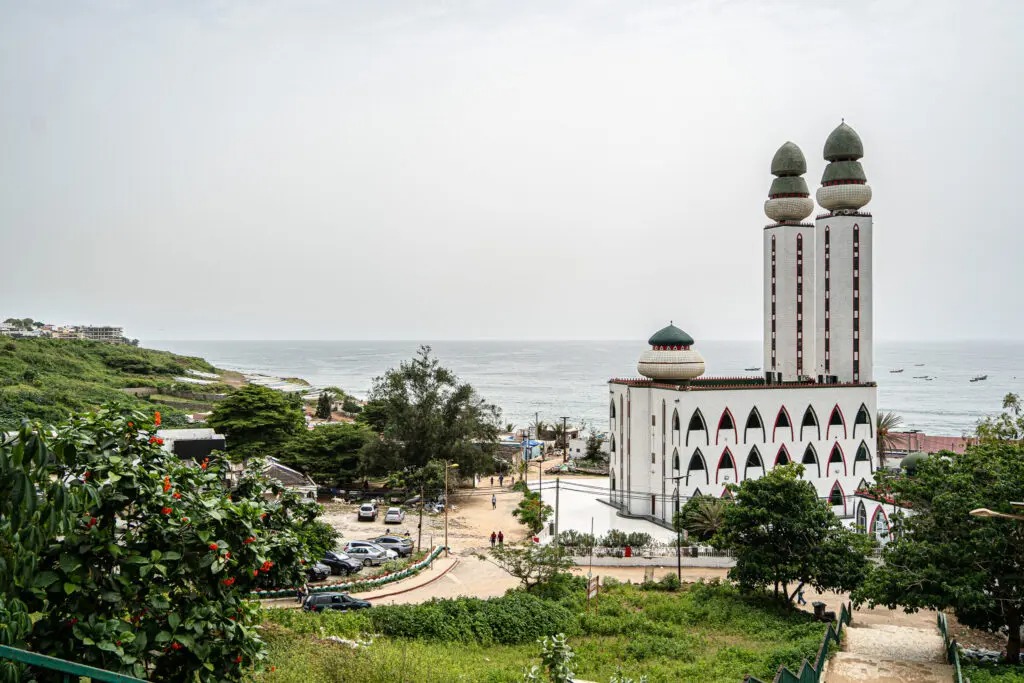
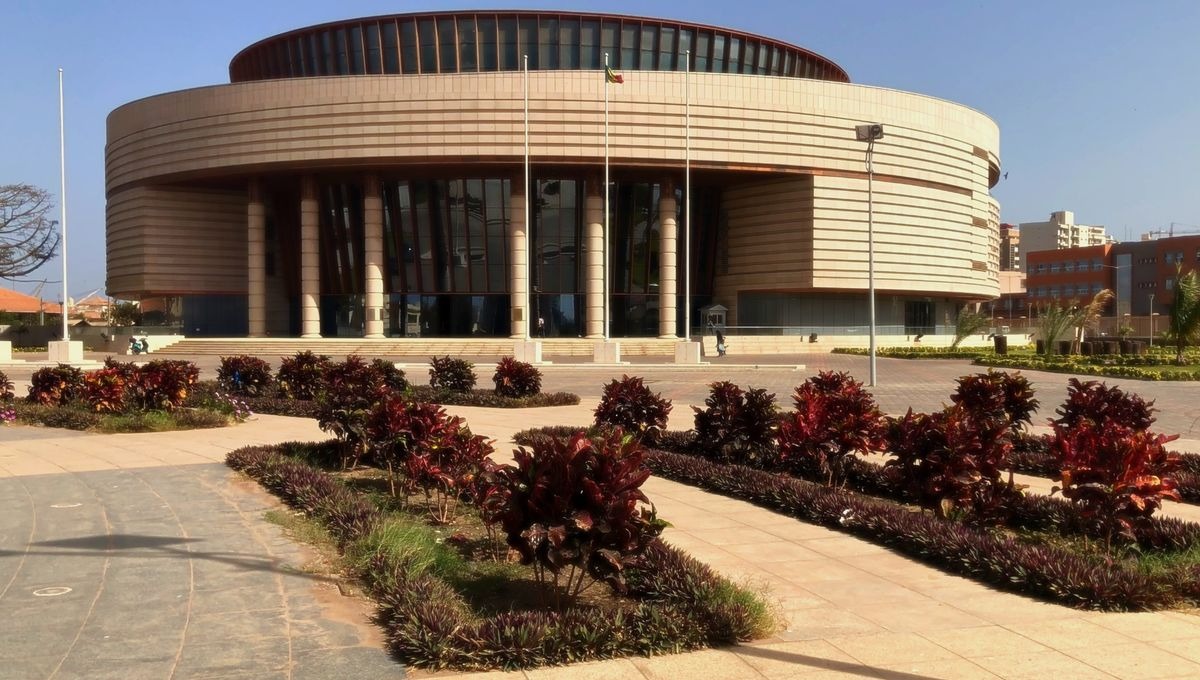 .jpg) 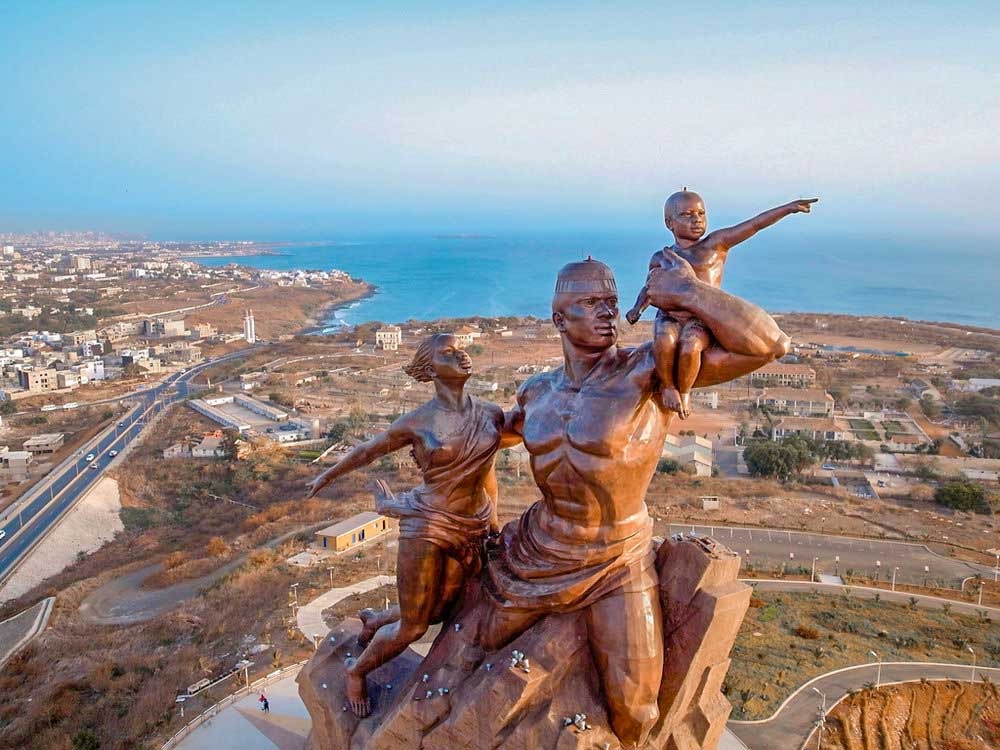 Following breakfast, meet your guide in the hotel lobby and depart for a full-day city tour of Dakar. ■ Dakar Full Day City Tour Dakar is located at the tip of the Cape Verde peninsula, the westernmost point of the African continent, and has a population of over three million people. Today, a large and vibrant African metropolis, in the past, it was the capital of French West Africa, instead of Saint Louis, since 1902. The capital of Senegal is currently also a window on various contemporary art forms and the center of all kinds of creativity. Overnight: Boma Lifestyle Hotel- En Suite Rooms |
|||
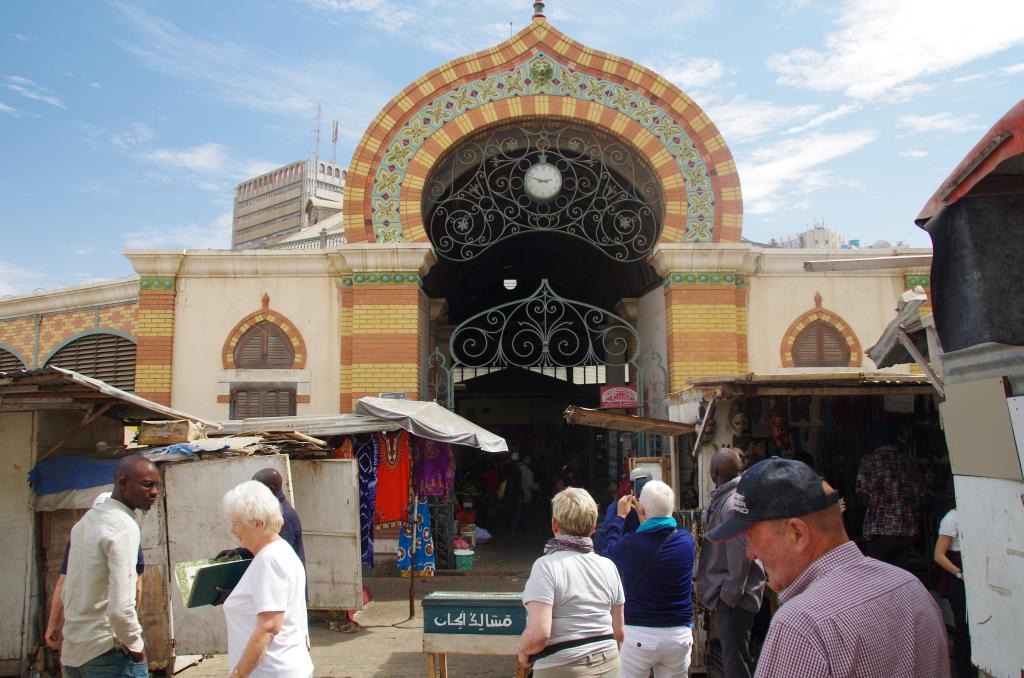 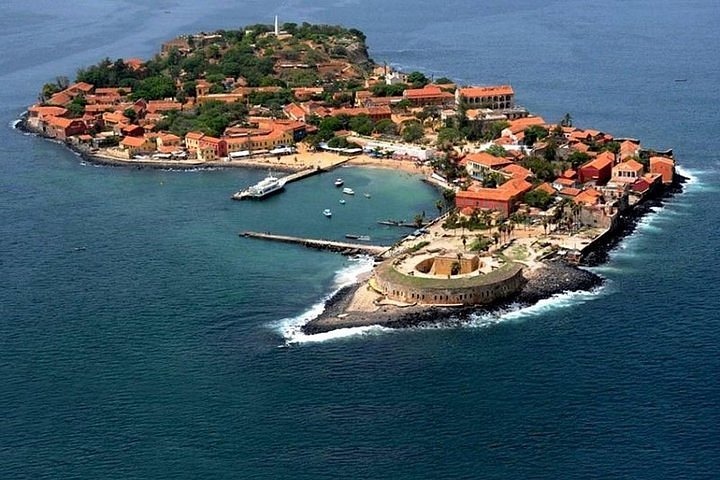 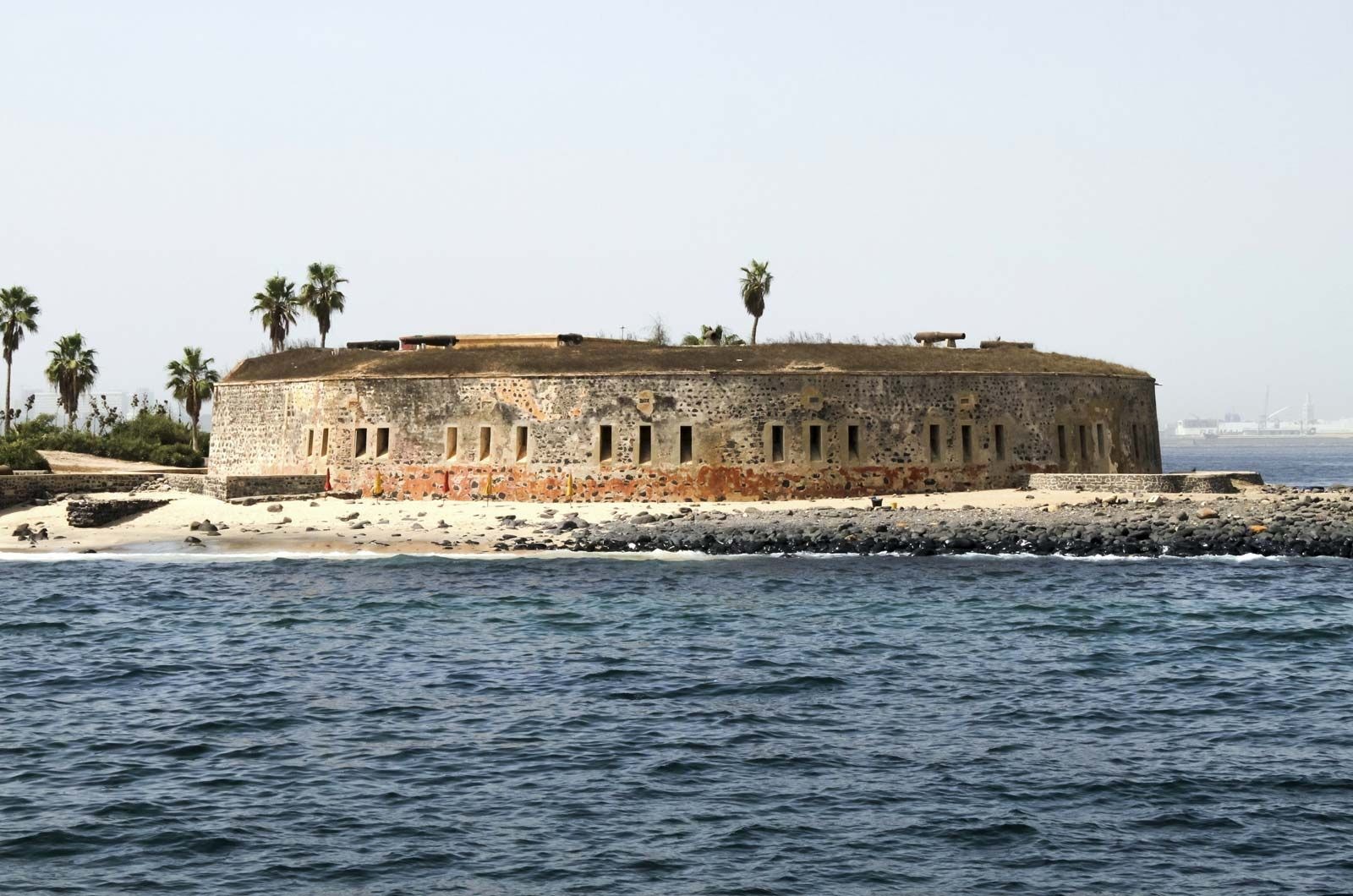 Following breakfast, meet your guide at the hotel lobby and set off on a visit to the Kermel market. ■ Kermel Market & Goree Island Tour Before arriving at the port and embarking for Gorèe, you will visit the Kermel market. Overnight: Boma Lifestyle Hotel- En Suite Rooms |
|||
Enjoy a relaxed morning at your hotel with time at leisure to soak in the final moments of your journey. When ready, your transfer will be waiting to escort you comfortably to the Airport. |
|||
|
PRICING |
||
| Based on Min 16 (Sharing Double) | ||
|
||
|
||
|